
Future Car Performance Mods 2026: The DIY Prep Guide for Modders Who Plan Ahead
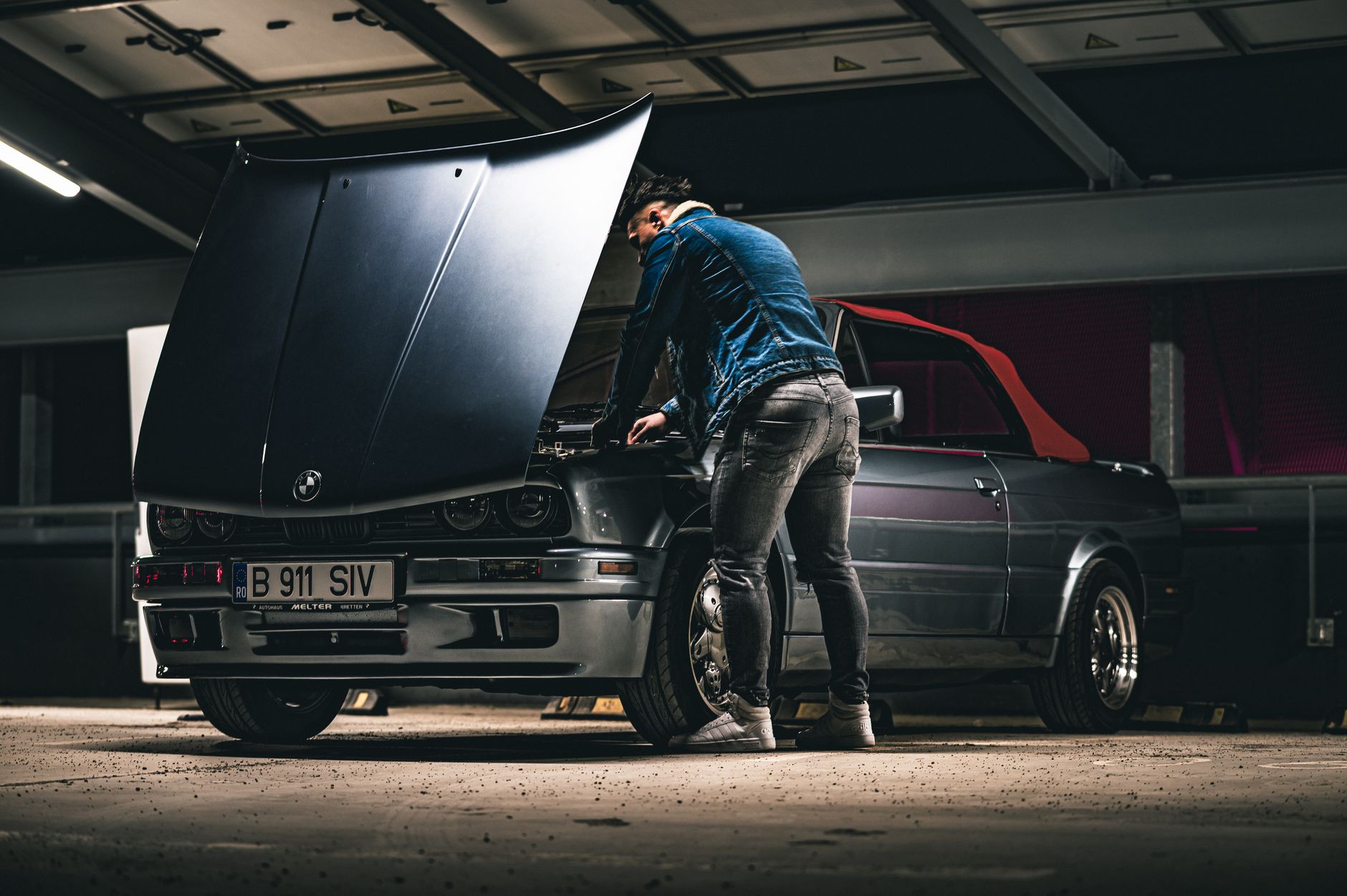
Right now, across forums and shop bays, the same conversation keeps looping: “Should I mod my current car or wait for what’s coming?” With 2026 model year vehicles already hitting dealership lots like Auffenberg Chrysler of Herrin and others rolling out their “Best Performance Mods for Your New Car” spring campaigns, the aftermarket is in a weird limbo. Some builders are holding cash. Others are pre-ordering parts that don’t exist yet. And a few smart ones? They’re using this exact moment to prepare their garage, their budget, and their vehicle for the future car performance mods 2026 that will actually matter.
This isn’t about vaporware or concept-car fantasy. It’s about the mods that are in development now, the infrastructure you’ll need to support them, and the preparation steps you can take today so you’re not scrambling when these parts drop. Let’s get into the practical prep work.
Why 2026 Mods Demand a Different Mindset
The performance landscape is splitting hard. You’ve got legacy ICE platforms getting their final hurrah, hybrid performance vehicles with increasingly complex power management, and EVs that are more computer than car. Future car performance mods 2026 aren’t just bolt-on parts—they’re ecosystem upgrades.
What this means for your garage:
-
Electrical capacity is the new lift kit: A 240V outlet used to be a nice-to-have. For 2026 hybrid and EV performance mods, dedicated 48V+ charging circuits and battery conditioning stations are becoming baseline. If you’re adding a second hybrid project car, you’re looking at 100-amp subpanel territory.
-
Diagnostic hardware outpaces hand tools: The 2026 model year introduces more encrypted ECUs and manufacturer-locked thermal management systems. A good scan tool from 2022 won’t cut it. Budget $800-1,500 for platform-specific diagnostic interfaces that can read hybrid powertrain data and flash module firmware.
-
Thermal management is performance: Whether you’re cooling a turbocharged 4-cylinder, a hybrid battery pack, or an EV’s inverter, heat rejection is the bottleneck. Your 2026 build plan needs to account for this before you buy a single “power adder.”
The Three Garage Upgrades to Complete Before 2026 Parts Drop
You can’t install what you can’t support. Here’s the infrastructure that matters:
1. Climate-Controlled Battery Storage
Lithium-ion and solid-state performance batteries (yes, aftermarket solid-state packs are in beta testing for 2026) degrade fast in temperature swings. A corner of your garage with stable 60-70°F temps isn’t optional anymore—it’s where you’ll stage $3,000+ battery modules before installation. Insulate that corner now. Add a mini-split if you’re serious.
2. Network-Ready Tuning Bench
Remote tuning and over-the-air updates are standard for 2026 platforms. Your laptop on a folding table isn’t a tuning bench anymore. Build a dedicated station with:
- Wired ethernet connection (Wi-Fi drops during flashes brick ECUs)
- UPS battery backup for 30+ minutes of runtime
- Isolated power supply for bench-flashing modules removed from vehicle
3. Fluid Handling for Non-Traditional Coolants
2026 performance hybrids and EVs use dielectric coolants, glycol-based battery thermal fluids, and in some cases, phase-change materials. Your old drain pans and coolant catch cans aren’t compatible. Source dedicated, labeled containers and a vacuum fill system that handles low-conductivity fluids. Cross-contamination destroys battery packs.
Platform Intelligence: What to Research Now
The best modders in 2026 won’t be the ones with the biggest budgets. They’ll be the ones who tracked platform development for 18 months and knew exactly which parts to grab on launch day.
Here’s where to focus your research energy today:
| Platform Type | 2026 Mod Frontier | Where to Watch |
|---|---|---|
| Turbocharged ICE (final gen) | Integrated exhaust-manifold turbos with limited aftermarket clearance; custom turbine housings | European turbo specialist forums, SEMA early-release coverage |
| Performance hybrids | Motor-generators with overbuilt mechanical limits; software unlocks for combined output | Manufacturer service bulletins, hybrid racing series tech regs |
| EV platforms | Structural battery pack integration; module-level bypass for track use | Patent filings, battery engineering conference proceedings |
Set Google Alerts for specific terms: “2026 [your platform] thermal bypass,” “structural battery aftermarket,” “combined torque unlock.” The builders who get these alerts in February 2026 will have parts ordered before June’s peak season.
The Budget Framework: Staging Cash for 2026’s Release Waves
Aftermarket parts for new platforms follow predictable waves. Miss wave one, and you’re waiting six months for restock—or paying scalper prices.
Wave 1 (March–May 2026): Tuning software, intake/exhaust for ICE platforms, basic lowering springs. Prices are highest, availability is tightest. Only buy here if you’re doing platform testing or content creation.
Wave 2 (June–August 2026): Proven combinations emerge. Forum builds have 10,000+ miles of data. This is your sweet spot for committed purchases.
Wave 3 (September–November 2026): Second-generation parts release. Wave 1 designs get revised. Clearance pricing on early inventory. Best value for patient builders.
Stage your cash accordingly. If you’ve got $5,000 for a 2026 build, hold $1,500 for Wave 2 purchases and $1,000 for Wave 3 deals. Spending everything in Wave 1 is how you end up with a “rare” first-gen intake that everyone learned was restrictive by July.
The Human Element: Skill Gaps to Close This Winter
The tools change, but the fundamentals still matter—plus some new ones. Before 2026 parts arrive, get competent in:
-
High-voltage safety procedures: 400V+ systems are in mainstream performance hybrids now. The “orange cable” respect isn’t enough. Take a formal HV awareness course. Your insurance and your family will thank you.
-
Thermal imaging interpretation: Heat is the enemy, but it’s also diagnostic data. A $400 thermal camera and 20 hours of practice reading hybrid battery packs, turbochargers, and EV inverters will save you thousands in misdiagnosed problems.
-
CAN bus data logging: Not just reading codes—interpreting live data streams. Free tools like SavvyCAN plus a $50 interface will teach you more about your 2026 platform than any single forum thread.
Future Car Performance Mods 2026: Your Action Plan This Month
The builders who win in 2026 aren’t waiting for parts to appear. They’re preparing now, while the industry is in transition and the information advantage is real.
Here’s your immediate checklist:
-
Audit your garage electrical: Can you add a 240V/60A circuit without a service upgrade? Get an electrician’s quote this month.
-
Join one platform-specific Discord or forum: Not a general performance group—a 2026 model year dedicated space. Lurk for 30 days. The early adopters are already talking.
-
Set your Wave 2 budget now: Decide what you’re holding in reserve. Put it somewhere slightly inconvenient to access so you don’t spend it on Wave 1 impulse buys.
-
Schedule one skills session: Thermal camera practice, CAN bus logging, or HV safety. Block the time.
Future car performance mods 2026 aren’t just about faster quarter-mile times or stiffer cornering. They’re about navigating a more complex, more electrified, more software-dependent performance landscape with your sanity and your wallet intact. The parts will come. The question is whether you’ll be ready to use them.